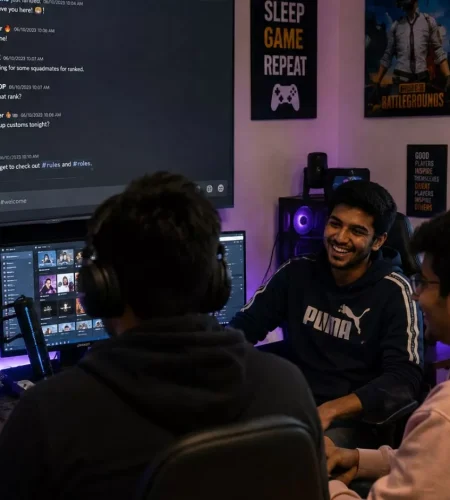
A gaming community can be easy to create but surprisingly difficult to keep active.
Setting up a Discord server, forum, social page, or group takes only a few minutes. Getting people to join is another challenge. Getting them to return every day, participate in conversations, invite friends, and feel like they actually belong requires something more.
The strongest gaming communities are built around shared interests rather than simply providing another place to chat. Players want somewhere they can find teammates, discuss games, share clips, follow events, exchange advice, and meet people who understand the games they enjoy.
Whether you’re starting a small community around one game or building a broader gaming group, the same principles can help turn an empty server into a place people actually want to join.
Start With a Clear Gaming Niche
One of the easiest mistakes when starting a gaming community is trying to appeal to everyone.
A community called “Gamers United” may sound welcoming, but potential members have little reason to join. A community focused on a particular game, genre, platform, region, or type of player gives people a much clearer reason to participate.
Your community could focus on:
- A specific game
- Competitive gaming
- Casual multiplayer games
- A particular console or platform
- PC gaming
- Mobile gaming
- Esports
- Game development
- Gaming news
- A regional gaming scene
- A particular gaming genre
A focused community also makes content easier to plan. If members know what conversations they can expect, they are more likely to recognize the community as relevant to them.
As the community grows, you can gradually introduce related topics without losing the original purpose.
Give People a Reason to Join
People rarely join a new gaming community simply because it exists.
They need to understand what they will get from becoming a member.
That could be:
- Finding teammates
- Discussing strategies
- Joining tournaments
- Getting game recommendations
- Sharing gameplay clips
- Following esports events
- Meeting other players
- Getting help with difficult games
- Participating in community events
- Sharing gaming-related content
The more clearly you communicate this value, the easier it becomes for someone to decide whether the community is right for them.
Instead of describing a server as “a place for gamers,” explain exactly what members can do there.
For example:
A community for Valorant players looking for teammates, discussing strategies, sharing clips, and joining weekly custom games.
That immediately communicates who the community is for.
Choose the Right Platform
A gaming community does not necessarily need to exist on only one platform.
Discord is particularly useful for communities that need real-time communication because it combines text channels, voice channels, roles, moderation tools, and community features.
However, other platforms can serve different purposes.
A community might use:
- Discord for everyday conversation
- Reddit for longer discussions
- YouTube for video content
- Twitch for live streams
- X or other social platforms for announcements
- A website for guides and permanent resources
This approach allows each platform to do what it does best instead of forcing every type of interaction into one place.
You can also learn more about how Discord became such an important part of gaming culture in our guide to Why Discord Became the Go-To Platform for Esports Fans.
Make the First Experience Simple
A new member should not need to spend ten minutes figuring out where to start.
Too many channels can make a new community feel complicated, especially when most of them are empty.
Start with a simple structure.
For example:
WELCOME
- rules
- announcements
- introductions
COMMUNITY
- general chat
- gaming chat
- clips and screenshots
- recommendations
PLAY
- looking for group
- game-specific channels
- events
- voice channels
As the community grows, you can add more specialized areas based on what members actually use.
The goal is not to create the largest possible channel list. It is to make participation obvious.
Create a Strong Community Identity
People become attached to communities that feel recognizable.
Your community name, logo, colors, language, events, and visual style can all contribute to that identity.
Profile pictures are another small but noticeable part of gaming identity. Members often use avatars inspired by their favorite games, anime characters, gaming artwork, or custom designs.
If you’re building a community around a particular game or group, coordinated profile pictures can also make members easier to recognize.
You can explore Discord PFPs for inspiration or create your own avatar using Make a Discord PFP With AI.
A consistent visual identity does not need to be complicated. Even a recognizable color palette and simple profile style can make a community feel more established.
Make It Easy to Find Other Players
One of the biggest reasons people join gaming communities is to find other players.
A good community should make that process easy.
For example, members could specify:
- Game
- Platform
- Region
- Rank
- Preferred role
- Language
- Play style
- Availability
A player looking for a few teammates should not have to scroll through hundreds of unrelated messages.
Dedicated LFG channels, roles, tags, or matchmaking systems can make the experience much more efficient.
This is especially useful for competitive games where players may be searching for teammates with similar skill levels or schedules.
Give Members Things to Do
A community becomes inactive when there is nothing happening.
You don’t need to organize something every day, but recurring activities give members a reason to return.
Possible community activities include:
- Weekly game nights
- Custom matches
- Community tournaments
- Screenshot contests
- Gaming quizzes
- Watch parties
- Game discussions
- Clip competitions
- Challenge events
- Giveaways
- New-game testing sessions
The best activities are usually simple enough that members can participate without significant preparation.
Even a recurring Friday game night can become part of the community’s identity if members know to expect it every week.
Encourage Members to Participate
A community should not depend entirely on its owner to generate every conversation.
Ask questions that are easy to answer.
Instead of:
What do you think about the new update?
Try:
Which weapon change in the new update affects your main the most?
Specific questions create easier entry points for conversation.
You can also highlight interesting member posts, feature community clips, run polls, or give members opportunities to suggest future events.
Over time, active members can become some of the biggest contributors to the community.
Don’t Turn the Community Into a Constant Advertisement
This is particularly important for communities built around gaming content or businesses.
If every announcement promotes something, members will quickly stop paying attention.
A healthy community should provide value even when nobody is buying anything.
That means most content should focus on things members actually care about:
- Games
- Players
- Strategies
- Events
- News
- Entertainment
- Community discussions
Promotions should fit naturally into the broader experience.
For example, communities covering different forms of online entertainment may occasionally discuss how players discover new mobile experiences. Services such as mobile casino MrQ can be relevant when the conversation naturally extends into mobile gaming and entertainment, but promotional content should remain secondary to the community itself.
The principle is simple: build the audience first, then monetize its attention responsibly.
Create Useful Community Resources
A community becomes more valuable when members can find information they cannot easily get from a generic social feed.
Depending on your niche, useful resources might include:
- Beginner guides
- Character guides
- Build recommendations
- Tournament schedules
- Game updates
- Strategy discussions
- Frequently asked questions
- Community-created tutorials
- Useful gaming tools
Permanent resources are particularly valuable because conversations eventually disappear into chat history.
A community website can also act as a searchable archive while Discord or another platform handles real-time discussion.
Build Clear Rules Without Killing the Fun
Every growing gaming community needs moderation.
Without rules, spam, harassment, scams, arguments, and inappropriate content can quickly overwhelm useful conversations.
At the same time, an enormous list of complicated rules can make a community feel restrictive.
Start with straightforward expectations:
- Treat other members respectfully.
- No harassment or targeted abuse.
- No spam.
- No malicious links or suspicious downloads.
- Keep discussions relevant to the community.
- Follow platform rules.
- Report serious problems to moderators.
Moderation should protect the community rather than control every conversation.
The goal is to make people feel comfortable participating.
For broader information about online safety and digital communities, the Internet safety guidance from the Cybersecurity and Infrastructure Security Agency is also a useful reference.
Reward Community Contributors
Not every member wants to become a moderator, but people generally appreciate recognition.
You can recognize useful contributions through:
- Community roles
- Featured posts
- Member spotlights
- Tournament achievements
- Special events
- Recognition for helpful guides
- Community leaderboards
Recognition does not always need to involve money or physical rewards.
Sometimes simply showing that the community notices a member’s contribution is enough to encourage further participation.
Listen to What Members Actually Want
A community should evolve based on its members.
Pay attention to which channels receive the most activity and which ones remain empty.
Ask members:
- What games should we add?
- Which events would you join?
- Are there too many channels?
- What should we change?
- What content do you want to see?
- What makes you visit the community regularly?
You don’t need to implement every suggestion.
The important part is understanding what people actually use instead of designing the community entirely around assumptions.
Keep the Community Active Between Major Events
Gaming communities often experience bursts of activity around major releases, tournaments, updates, or esports events.
The challenge is keeping people interested afterward.
This is where regular community content becomes important.
Between major events, you can discuss:
- Upcoming patches
- Rumors and announcements
- Community challenges
- Old games
- Player highlights
- Strategy
- Game recommendations
- Memes
- New releases
The objective is to create an environment where people have reasons to visit even when there is no major event happening.
Let the Community Develop Its Own Culture
Eventually, the best communities become more than collections of channels.
Members develop inside jokes. Regulars recognize each other. Certain discussions become traditions. New members learn the community’s personality by interacting with established members.
That culture cannot simply be designed by an administrator.
It develops through repeated interactions.
Your job as a community owner is to provide the structure, encourage positive participation, remove serious problems, and give members enough freedom to make the space their own.
Final Thoughts
Building a gaming community that people actually want to join is less about creating the biggest server and more about creating a useful place for a specific group of players.
Start with a clear purpose. Make it easy for members to find people, games, information, and activities that interest them. Keep the structure simple, organize regular events, encourage participation, and maintain reasonable community rules.
Most importantly, give people a reason to return.
A successful gaming community eventually becomes something members participate in because they enjoy being around the people there—not simply because they need information about a game.
Related Gaming Resources
- Discord PFPs – Find a new profile picture for your gaming identity.
- Make a Discord PFP With AI – Create a custom AI avatar for your community profile.
- Discord Bio Ideas – Find ideas for building a recognizable gaming profile.
- Discord Profile Picture Size – Check the recommended avatar dimensions.
- Matching Group PFPs – Give your gaming group a coordinated visual identity.
- Discord Timestamp Generator – Create timestamps for gaming events and community activities.
Comments