Video games have changed a lot over the years. In the past, many games were played alone or with friends sitting in the same room. Once players finished the game, they often moved on to something else.
Today, games live far beyond their release date. Some titles remain popular for years or even decades. One of the biggest reasons for this is online communities.
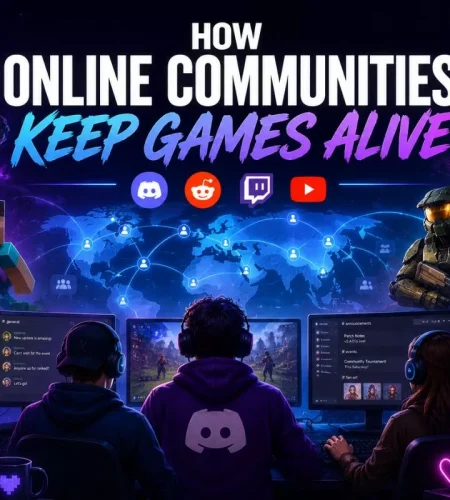
Players no longer just play games. They discuss updates, create content, share strategies, build friendships, and form communities around the games they love. Platforms like Discord, Reddit, Twitch, and YouTube have become important parts of modern gaming culture.
In many ways, communities have become just as important as the games themselves.
Why Communities Matter in Gaming
A great game can attract players, but a strong community keeps them coming back.
Online communities give players a place to:
- Share experiences
- Discuss updates and patches
- Learn new strategies
- Find teammates
- Create fan content
- Organize tournaments and events
When players feel connected to other fans, they are more likely to stay active in a game for a long time.
This is why many developers now focus heavily on building communities around their games.
Games Are More Than Just Gameplay
For many players, gaming is a social experience.
People log in to chat with friends, join guilds, or participate in community events. Sometimes players spend as much time talking about a game as they do actually playing it.
Popular games like Minecraft, Fortnite, League of Legends, and World of Warcraft have remained successful partly because of their active communities.
Even older games continue to thrive because dedicated fans keep creating guides, mods, videos, and discussions.
How Discord Changed Gaming Communities
Discord has become one of the most important platforms in gaming.
Game developers, creators, and communities use Discord servers to communicate directly with players. These servers often include:
- News channels
- Patch notes
- Community discussions
- Voice chats
- Event announcements
- Support channels
Players can ask questions, share screenshots, and interact with others who enjoy the same games.
Unlike traditional forums, Discord allows conversations to happen instantly, making communities feel more active and connected.
User Generated Content Keeps Games Fresh
One reason many games survive for years is because players create their own content.
User generated content includes:
- Mods
- Custom maps
- Fan art
- Guides
- Videos
- Tutorials
Games like Minecraft and Skyrim are excellent examples of how community creations can extend a game’s lifespan far beyond its original release.
Creative communities constantly add new experiences, giving players reasons to return again and again.
AI-powered creative tools are also becoming part of user-generated content culture. Players use image generators, avatar creators, and profile customization tools to create unique visuals for community profiles, social media accounts, and gaming groups. Some creators even experiment with AI-generated character concepts and alternate identity designs using tools such as ai gender swap.
Fan Art, Memes, and Gaming Identity
Gaming communities are not only about gameplay.
Players also express themselves through profile pictures, banners, usernames, and memes. A recognizable identity helps people connect with others who share similar interests.
This is especially common on Discord, where players customize their profiles to match their favorite games, characters, or communities.
If you want to personalize your profile, you may enjoy exploring:
- Best Discord Profile Pictures
- How to Change Your Discord Profile Picture
- How to Create Aesthetic PFPs for Discord
- Discord Bio Ideas
- Best Trio Matching PFPs
- Matching Group PFPs for Friends
A strong profile helps players stand out and become recognizable members of online communities.
Competitive Communities Keep Players Engaged
Competitive gaming creates another reason for players to stay active.
Ranked modes, tournaments, and esports scenes often keep games alive long after launch. Communities organize competitions, share strategies, and discuss updates regularly.
Even casual players enjoy participating in events or watching competitive matches.
Online gaming communities continue to grow across many different genres. Players often explore various gaming platforms and experiences while staying active in community discussions.
Streamers and Content Creators Drive Engagement
Content creators have become a major part of gaming culture.
A single video, livestream, or tournament can introduce thousands of players to a game.
Streamers often build communities around:
- Gameplay tips
- Challenges
- Updates
- Community events
- Fan interactions
These communities help games stay relevant even years after release.
Many players discover new games through creators before ever downloading them.
Online Communities Help New Players
Starting a new game can sometimes feel overwhelming.
Communities make the learning process easier by providing:
- Beginner guides
- FAQs
- Tutorials
- Tips from experienced players
- Community support
Helpful communities create better experiences for new players and encourage long term growth.
Games with welcoming communities often attract more players over time.
The Future of Gaming Communities
As gaming continues to evolve, communities will likely become even more important.
Features like cross platform play, voice chat, user generated content, and social profiles are making games feel more connected than ever before.
Artificial intelligence, virtual reality, and cloud gaming may change how people play games, but communities will remain at the center of the experience.
Players do not just remember games.
They remember the people they played with.
Final Thoughts
Online communities have changed gaming forever.
A great game may attract players, but a strong community keeps it alive. Discussions, tournaments, fan art, videos, and friendships all help extend a game’s lifespan far beyond its release.
From Discord servers to livestream chats, players continue building spaces where gaming becomes more than entertainment. It becomes a shared experience.
As online gaming grows, communities will continue shaping how players connect, compete, and create memories together.
Comments